The stages between paddy and a bowl of rice
Husks, bran, broken kernels and batch records explain why rice changes after the field.
In this guide
The owner’s 2025 Kala Namak account begins with seven sacks of paddy, 30 kg each. Some stayed as paddy; the rest was cleaned into rice. Between those two forms are the husk, the bran and decisions about what the kitchen will receive.
Following those layers explains why a paddy weight and a rice weight describe different material.
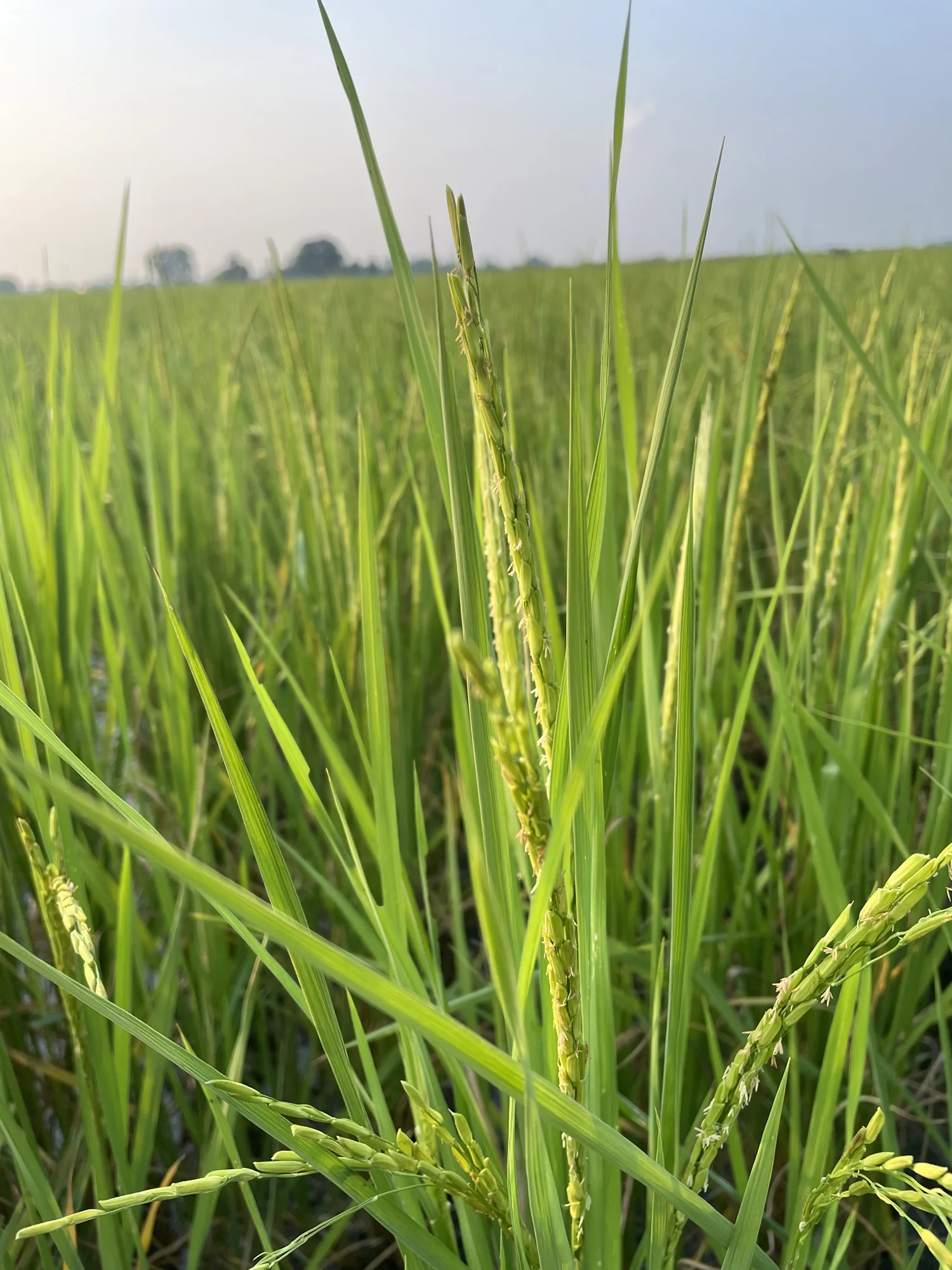
Paddy, brown rice and milled rice
IRRI's service laboratory sets out a clear distinction. Cleaning removes unfilled and partly filled material from a sample. Dehulling removes the hull, producing brown rice. Further milling removes bran from that brown-rice kernel to produce white or polished rice. [1]
The husk and bran are different layers. Removing the husk is necessary to expose the rice kernel; how much bran is then removed is another processing decision. Ask about that decision when arranging a batch, especially if the intended result is rice with its outer edible layers retained.
“Brown rice” describes a processing state, not a particular variety. ICAR's rice research institute explicitly makes that distinction and notes that the outer grain layer may also be reddish or purple. A variety name and a milling description belong alongside each other on a useful label. [2]
A name does not tell the whole route
Parboiling is another distinction. IRRI describes it as processing rice with heat and moisture while the grain is still in its hull. It is separate from the degree of bran removal. Do not assume that a familiar variety name tells you whether a lot was parboiled or how heavily it was milled. [3]
Before using an unfamiliar batch, ask for the variety or working name, whether it was parboiled, and the milling description. These details give a better starting point for choosing a suitable cooking method than colour alone. Keep the supplier's or processor's instructions with the batch when they are available.
A small harvest, recorded carefully
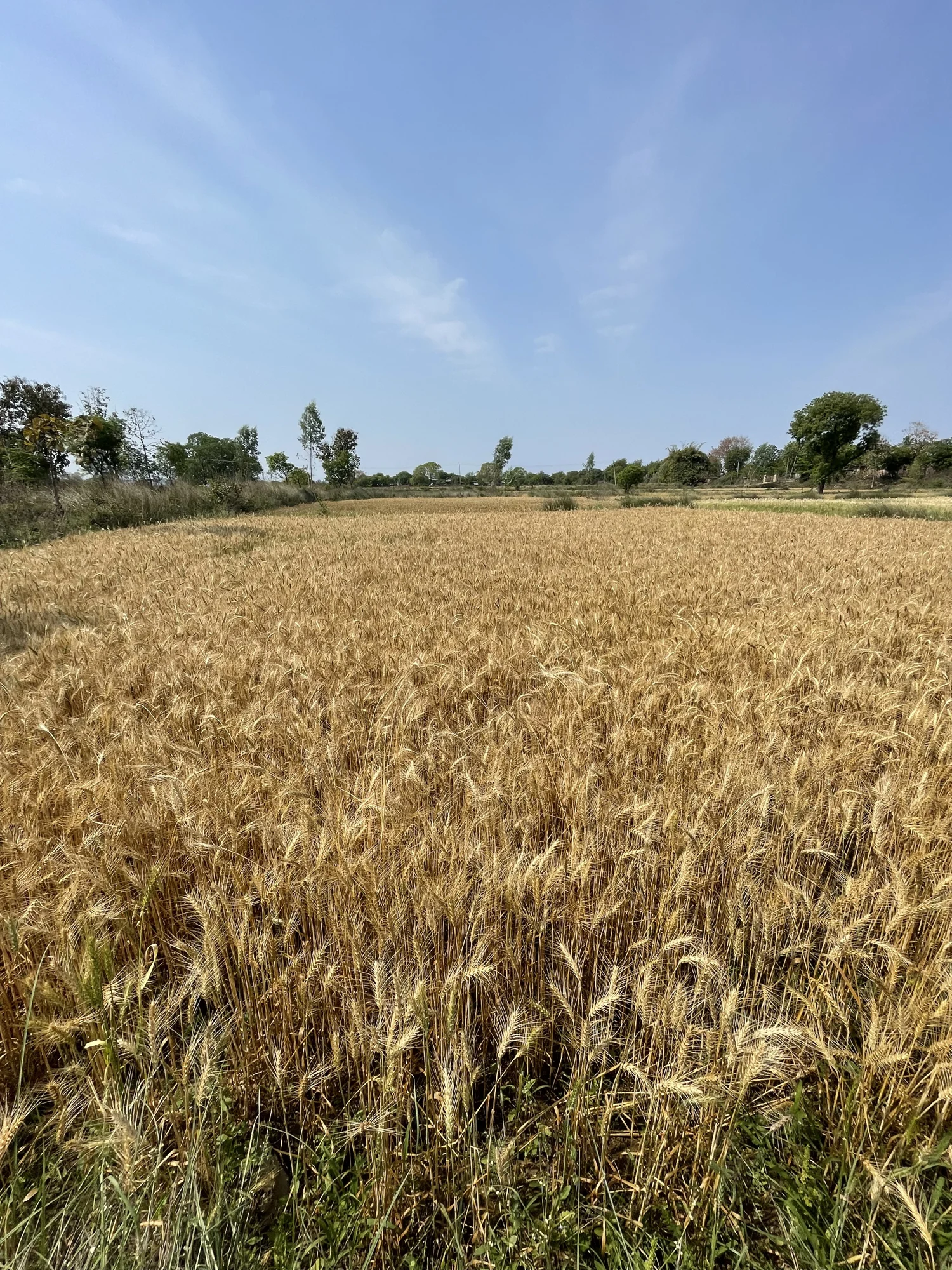
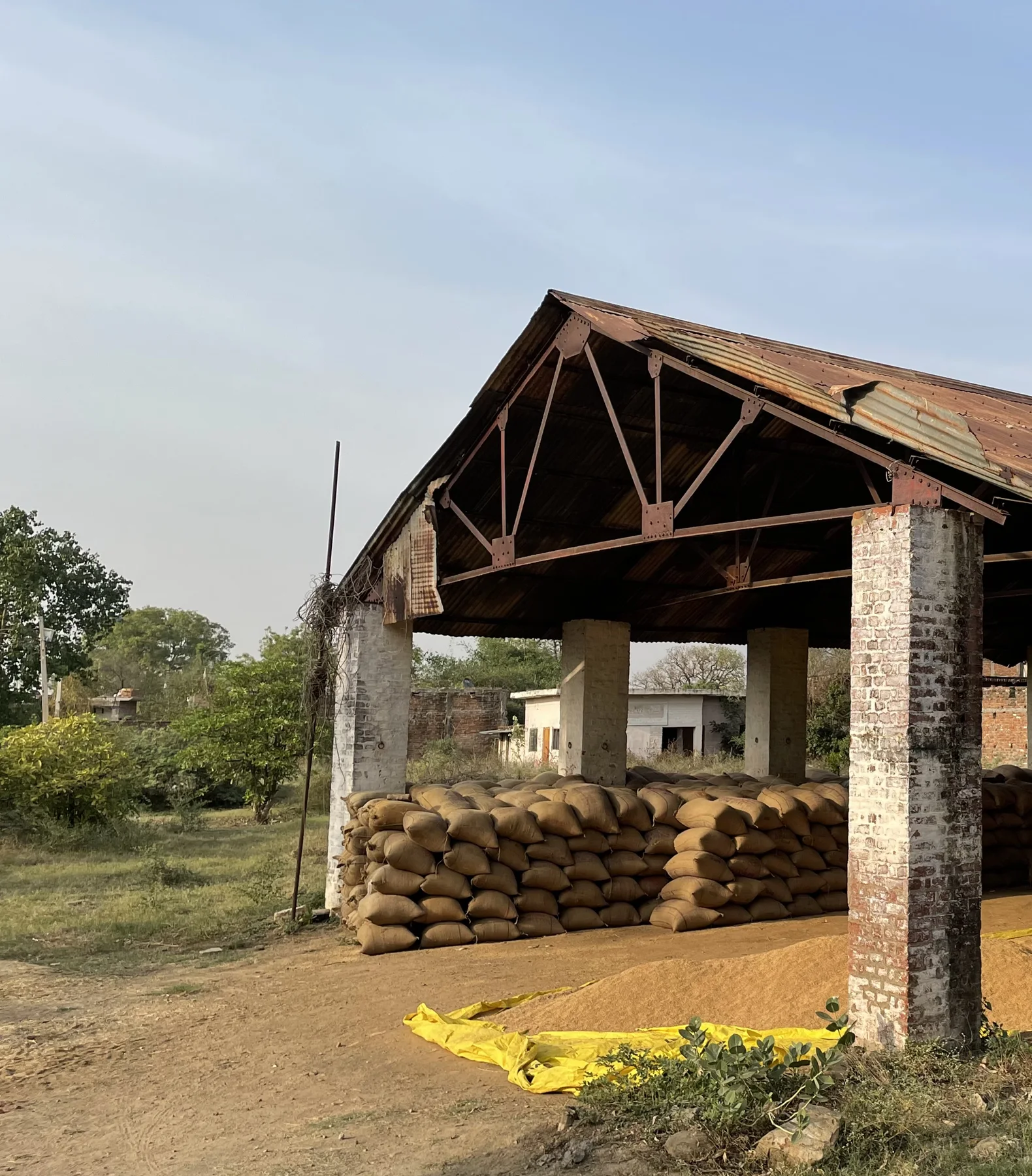
The owner's account of the 2025 Kala Namak harvest records seven sacks of paddy at 30 kg each: 210 kg in all. Approximately 70 kg of paddy was retained; the rest was cleaned into rice.
Those notes establish the harvest quantity and the decision to keep part as paddy. They do not give a paired input and output measurement for the milling batch. We therefore cannot calculate its milling recovery from them. A later amount remaining in storage would answer a different question from the amount first returned by the mill.
What to record at processing
- Identify the variety and lot before bags leave the store.
- Weigh the particular paddy batch sent for processing.
- Agree whether the returned product should retain bran and whether it is parboiled.
- Record rice returned, including whether whole and broken kernels are weighed together.
- Note any by-products, rejects or material retained by the processor separately.
Whole kernels and broken pieces can be separated during grading, as IRRI describes. [3] A weight for whole kernels alone therefore leaves part of the output out of the comparison. What returns from the mill needs a name as well as a number.
About this story
Owner-reported 2025 Kala Namak harvest: seven 30 kg paddy sacks, 210 kg total; approximately 70 kg paddy retained and the rest cleaned into rice. No milling recovery is established by these figures.
From the farm’s dated working notes.Sources & further reading
- IRRI Service Laboratories · Rice grain sample preparation Accessed 2026-10-23
- ICAR National Rice Research Institute · FAQs, questions 20 and 24 Accessed 2026-10-23
- IRRI Rice Today · A consumer’s guide to rice Accessed 2026-10-23