The work between harvest and storage
Why clean grain, measured drying and regular checks belong together after harvest.
In this guide
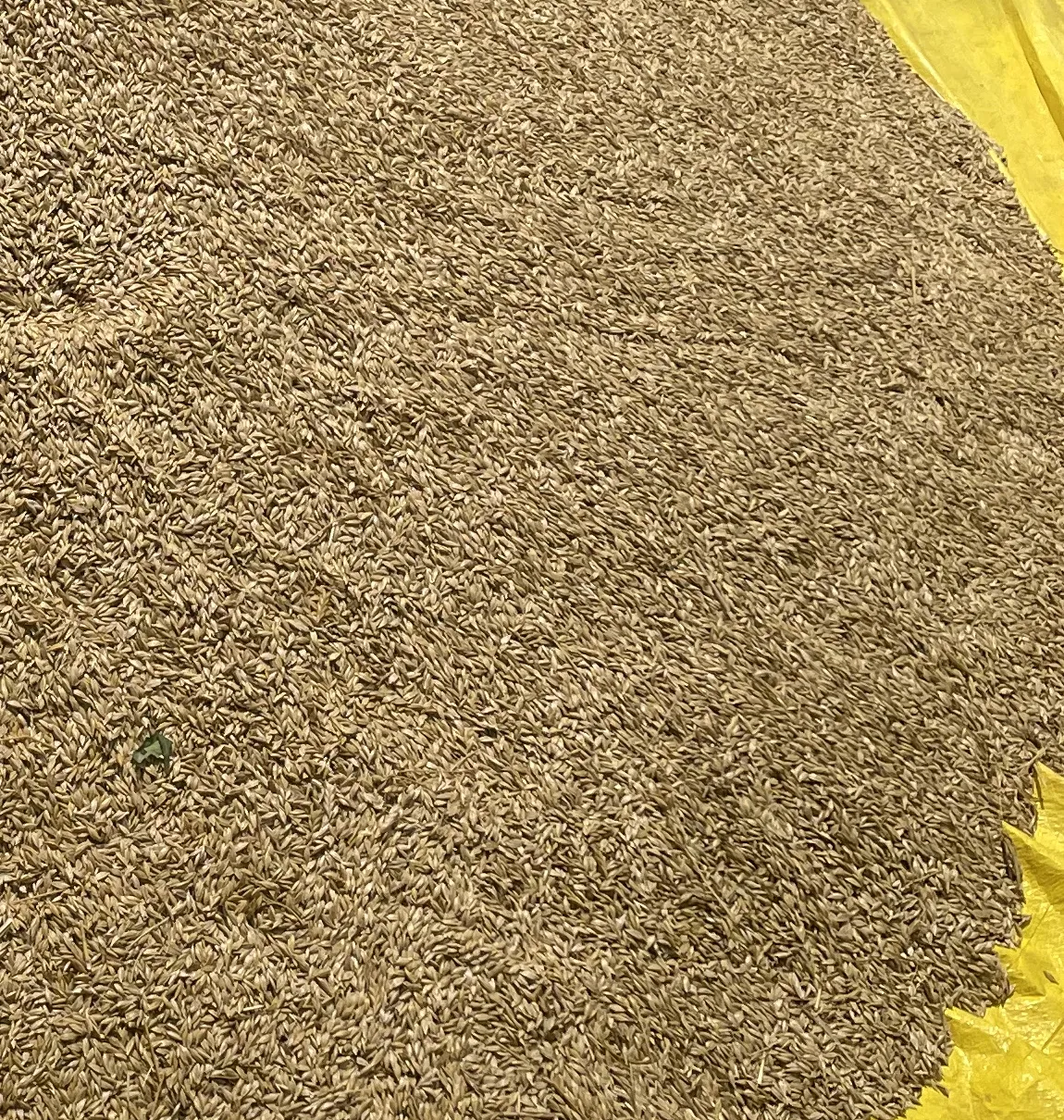
A newly filled sack may contain grain, pieces of stalk, empty husks, dust and more moisture than the lot should carry into storage. Each leaves in a different way. A sieve cannot dry grain, and a day of drying cannot remove every impurity.
The work between harvest and storage begins by separating those jobs.
Start with the condition of the lot
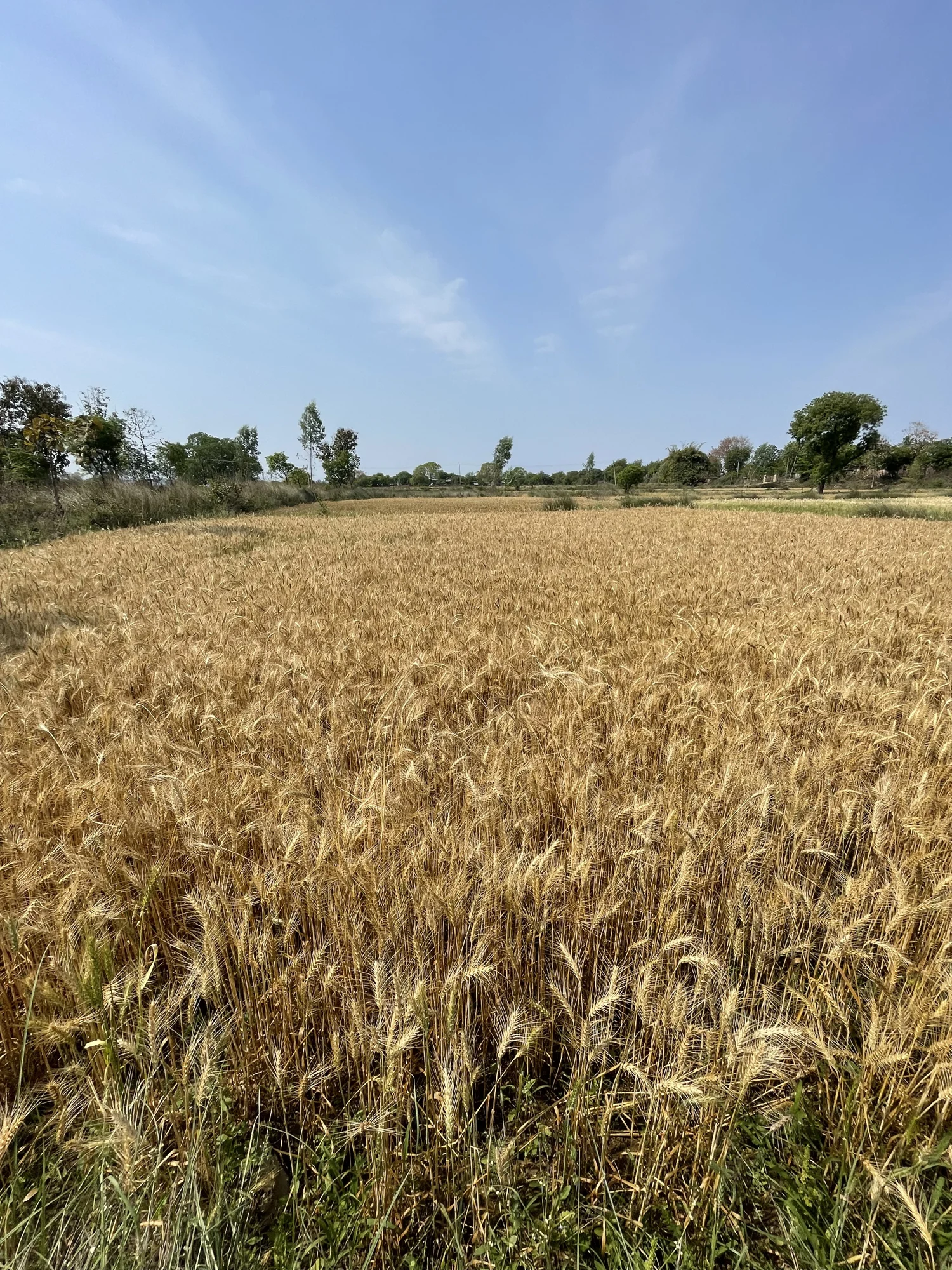
Paddy, hulled wheat and cleaned kernels describe different material. The crop, harvest date and stage of the weight help establish what is being handled. Wet and dry lots also need to remain distinguishable: mixing them may produce a reassuring average while leaving a wetter portion within the batch.
FAO's storage manual explains why cleaning matters. Impurities occupy space, while dust and broken grain can make storage more troublesome. Cleaning makes the lot easier to inspect as well as removing foreign material. It need not turn every small or light grain into a reject without considering what it is. [1]
A sieve separates mainly by size. Winnowing separates according to how material moves in air. The clean-looking handful at the end may still be too damp for the storage intended for it.
Dry the inside, not just the surface
Water has to move from within the kernel to its surface and then into the surrounding air. FAO describes the roles of temperature, humidity and airflow in that process. What feels dry outside is not necessarily dry throughout the grain or across the batch. [2]
A suitable, correctly operated moisture meter or qualified testing service replaces guesswork with a measurement. The crop, storage system, climate and intended duration all affect the guidance needed. No single number of hours in sunshine can answer for every grain and setting.
Measurements from representative parts of the lot are more informative than one convenient handful. Keeping the method with the result also makes a later reading easier to interpret: was the grain changing, or was it measured differently?
Protect the work already done
Drying is not permanent protection from moisture. Grain exchanges water with the surrounding air. IRRI's explanation of equilibrium moisture shows how previously dried paddy can regain it in humid conditions. Packaging and the store must suit that environment as well as the grain's starting condition. [3]
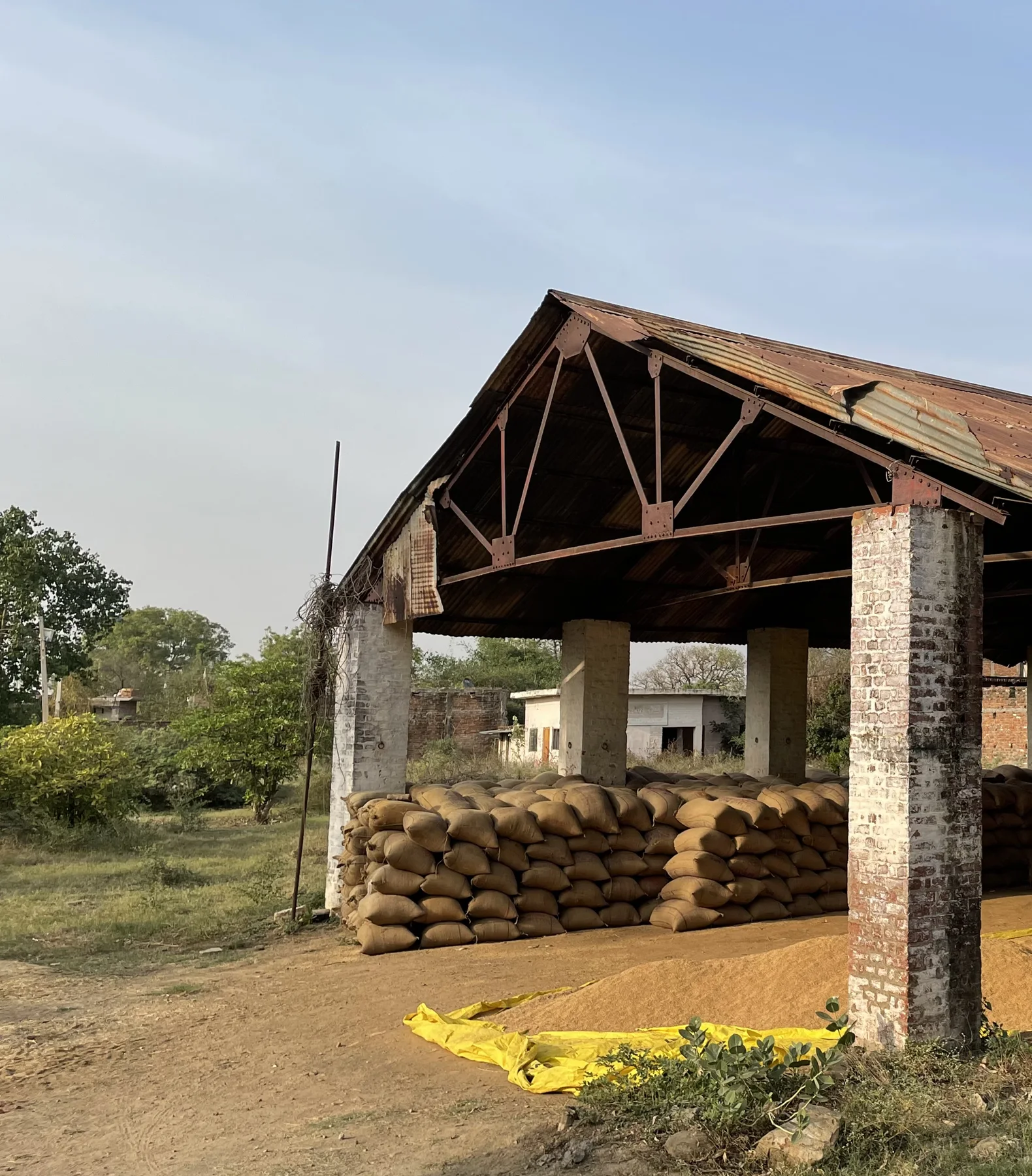
Water entering through the building can undo the work more directly. Clean handling surfaces, suitable bags and maintained equipment help protect the lot as it moves. Access matters too: sacks at the back need to be reachable for inspection, even when the front row looks sound.
A store is a place to revisit
FAO treats regular inspection and representative sampling as part of storage management. [1] Dampness, heating, insects or another unexpected change need attention while the lot can still be kept separate and assessed. Competent local advice is needed before using suspect material.
The label has a practical job throughout this period. It links the grain to its cleaning and drying dates, moisture measurements and quantity packed. When sacks are moved or grain is taken out, that identity should travel with the remainder.
Older and newer lots can then be followed on their own terms. The store holds the result of the harvest, but its condition keeps changing after the door has closed.
About this story
This guide draws on the sources below. It is not a report of a completed farm trial.
Sources & further reading
- FAO · Prevention of post-harvest grain losses: central storage Accessed 2026-10-23
- FAO · Grain drying principles and general considerations Accessed 2026-10-23
- IRRI · Equilibrium moisture content of paddy Accessed 2026-10-23